
Holding Space...
på svenska efter bilden

A phrase that I use often is holding space… often in connection to holding space for children, for their play and their collective autonomy. In education it often signals care, respect, and a willingness to let children lead their own play. But somewhere along the way, it has also been flattened into something quieter, more passive, almost like stepping back far enough that what unfolds is no longer our responsibility. And for me, this implies that we are no longer holding the space, but have abandoned it.
To hold space is not to withdraw. It is to remain attentive, responsive, and implicated.
A helpful parallel, I think, can be found in quantum physics, particularly in the idea of the observer effect: the act of observing changes what is being observed. While classrooms and preschools are not particle systems, the relational truth carries. Our presence as adults, where we stand, who we look at, when we speak, alters the possibilities available in the space. We are not outside the play, even when we are not directly involved in the flow, instead we are a part of the conditions that shape it. This is a vital part of reflecting on our role as educators (or playworkers, parents etc) that no matter what we do, if we are in the space we are affecting it - so we need to be mindful how.
This becomes especially important when we shift from thinking about autonomy as individual freedom to understanding it as something collective. With my notion of “demomazi” - people together - we can ask a different question: What does it mean to hold space not just for a child’s autonomy, but for all children to participate meaningfully?
Because without attention to the collective, autonomy can quickly become uneven. Some children expand freely, taking up physical, emotional, and social space, while others shrink, adapt, or disappear at the edges. Energy, confidence, language, and social power are not evenly distributed. Left unattended, neither is access.
In this light, holding space becomes an ethical practice.
It asks us to notice:
When play becomes dominated rather than shared
When certain expressions crowd out others
When participation narrows instead of expands
And it asks us to respond, not by shutting play down, but by reshaping the conditions within which it unfolds. This might look like small, almost invisible shifts. Moving closer to a child who is being edged out. Naming that there are many ways to be part of a game. Slowing the pace of interaction so more children can enter. These are not interruptions of play; they are interventions that sustain it.
At times, it also requires something more direct. There are moments when holding space means setting limits, not as control, but as protection of the collective. There are times when I will intervene when I see a running game consuming the entire outdoor space and preventing other children achieving play flow - I will step in and point out a specific area that is large enough for the play to be sustained, but also allows enough space for other’s to engage in their choice of play too. This is not a failure to “hold space” for the running game, as it did not need so much space for the play to thrive, a smaller space was being held for this play instead of saying stop running around and crashing into everyone else’s game/play. It is a part of our work to hold space for many children, many forms of play and for all to flourish - even if they do not take the same shape as they first started out.
Because collective autonomy does not emerge from the absence of boundaries, but from their careful, responsive presence. This reframes the role of the adult.
We are not referees standing outside the game, stepping in only when rules are broken. Nor are we passive observers, documenting what unfolds. We are participants in the ecology of the space - what we might call ethically entangled.
Our influence is constant. The question is whether it is conscious. When we become more aware of how our presence shapes the field of play, we gain the possibility of using that influence differently, not to direct outcomes, but to widen participation. Not to control, but to redistribute possibility.
Holding space, then, is not about stepping back and being “hands off”. It is about stepping in with awareness - we cannot hold without our “hands”.
1. Holding space is active stewardship, not neutrality
We’re not just “allowing” play, we are shaping conditions. That includes noticing power dynamics, emotional tone, and who is being centred or sidelined. True holding means stepping in before harm or exclusion becomes normalised, not after. I am all about play flow, and if there is no flow, then we don’t hold space for disfunction, we step in to offer tools to enable flow again. As a play responsive educator, I am also, during my roles as teacher and facilitator creating opportunities for children to develop the skills and knowledge needed to experience play flow together with others, so that as playworker more time can be spent holding the space, and less time is needed for interventions.
2. Collective autonomy requires boundaries, not absence of them
Autonomy isn’t “everyone does whatever they want.” It’s the ability for everyone to participate meaningfully. That often means limiting behaviours that dominate shared space - volume, speed, physical spread, or social control - so others can enter and stay, or play close by. Again, my work in my teacher and facilitator roles support children in developing a community of learners and players, so that when I am in my playworker role less interventions are needed.
3. Equity over equality in access to play
Some children need more scaffolding, translation, or protection to access the same space. Holding space democratically means actively compensating for differences in ability, confidence, language, or social power - not pretending those differences don’t exist. In this sense, holding the space might be reflected in how we design the physical spaces that makes it easier for all children to access, or that there are purposely designed areas for big, noisy play, areas for quiet, re-combobulating play as well as other areas for play that is inbetween.
4. Intervening is part of the ethics of care, not a failure of it
Intervention is often framed as “disrupting play,” but in a collective model it’s actually what sustains play. Thoughtful interruptions, redirecting, naming dynamics, redistributing attention, can expand the space rather than restrict it. Interventions in play are not teachable moments (even if the children will probably learn from them) they are foremost responsive actions to protect every child’s right to play and experiencing flow.
A teaching or facilitation intervention might have a pedagogical agenda - but when we are in playworker role, when we are holding space for play, then it is always, always, a ludic agenda. It’s all about the play.
5. The adult is inside the space, not outside it
We are not a referee on the sidelines. We are a participant-observer whose presence influences the culture. How we speak, where we position our body, whose ideas we amplify, all of that co-creates the “demomazi” environment. We need to constantly consider how our body, expressions, tone and words affect the play. I write about being visibly invisible - that we try to make ourselves as invisible as possible when the children are in flow (in all our roles, in all forms of flow), but at the same time the children know exactly where we are when they need us, for whatever reason. Sometimes that need is noticed by us, before them, and we can come out of invisibility mode and our mere presence can inspire a new wave of self-regulation which is all that is needed to sustain the flow of the play.
Sometimes I feel that when it comes to play, “holding space” is interpreted as minimising adult presence, rather than becoming conscious of how our presence shapes the field of play. But play is not static, it is constantly shifting. And to hold something that is always in motion, we need to understand its rhythms so that our responses can meet it without shutting it down. We could avoid “dropping” play by holding on tighter, by controlling it, limiting it, making it predictable. But then it would stop being play.
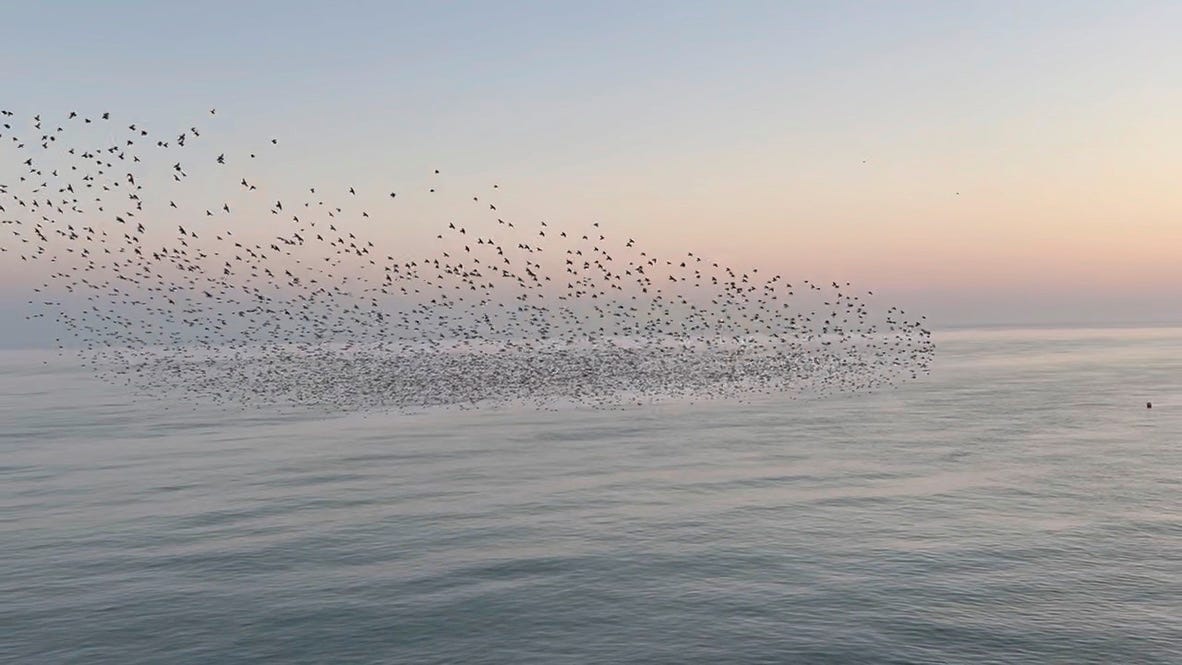
It is precisely the precarious, unknown rhythm of play that asks something more of us: deep noticing, careful listening, and responsive action. Holding space, then, is not a static act. It is closer to a choreography, one with an ever-changing number of dancers and unfolding possibilities and scenes, where our role is not to control the dance, but to remain aware of how we are already part of it and how to ensure all who are in the theatre can take the stage whenever they want and join the dance or create their own.
Questions for reflection and dialogue
When you are “just observing,” how might your presence still be shaping who participates and how?
How do you recognise the moment when individual autonomy begins to limit collective autonomy, and what guides your response?
What does it look like, in your context, to use your influence to expand the space rather than unintentionally narrow it?
Ett begrepp som jag ofta använder är att “hålla rum” (holding space)… ofta i relation till att hålla rum för barn, för deras lek och för deras kollektiva autonomi. Inom utbildning signalerar det ofta omsorg, respekt och en vilja att låta barn leda sin egen lek. Men någonstans längs vägen har begreppet också plattats till och blivit något tystare, mer passivt – nästan som att vi backar så långt att det som sker inte längre är vårt ansvar. För mig innebär det att vi inte längre håller rummet, utan har lämnat det.
Att hålla rum är inte att dra sig undan. Det är att stanna kvar – uppmärksam, responsiv och delaktig.
En hjälpsam parallell kan, tycker jag, hämtas från kvantfysiken, särskilt idén om observatörseffekten: att själva observationen förändrar det som observeras. Klassrum och förskolor är förstås inte partikelsystem, men den relationella sanningen kvarstår. Vår närvaro som vuxna – var vi står, vem vi tittar på, när vi talar – förändrar vilka möjligheter som finns i rummet. Vi står inte utanför leken, även när vi inte är direkt del av dess flöde. Vi är en del av de villkor som formar den. Det är en avgörande del av att reflektera över vår roll som pedagoger (eller lekvärdar, föräldrar etc.): oavsett vad vi gör, så påverkar vi rummet om vi befinner oss i det – och därför behöver vi vara medvetna om hur.
Detta blir särskilt viktigt när vi går från att se autonomi som individuell frihet till att förstå den som något kollektivt. Med mitt begrepp “demomazi” – människor tillsammans – kan vi ställa en annan fråga: Vad innebär det att hålla rum, inte bara för ett barns autonomi, utan för att alla barn ska kunna delta meningsfullt?
För utan uppmärksamhet på det kollektiva blir autonomi snabbt ojämnt fördelad. Vissa barn breder ut sig fritt – tar fysisk, emotionell och social plats – medan andra krymper, anpassar sig eller försvinner ut i kanterna. Energi, självförtroende, språk och social makt är inte jämnt fördelade. Lämnas det åt sig självt, riskera vi barnens tillgång till det.
I detta ljus blir att hålla rum en etisk praktik.
Det kräver att vi uppmärksammar:
När lek blir dominerande snarare än delad
När vissa uttryck tränger undan andra
När deltagandet smalnar av istället för att vidgas
Och det kräver att vi agerar – inte genom att stoppa leken, utan genom att förändra de villkor inom vilka den sker. Det kan handla om små, nästan osynliga förflyttningar. Att närma sig ett barn som håller på att hamna utanför. Att sätta ord på att det finns många sätt att delta i en lek. Att sakta ner tempot så att fler kan komma in. Det är inte avbrott i leken – det är interventioner som möjliggör den.
Ibland krävs det också något mer direkt. Det finns tillfällen då att hålla rum innebär att sätta gränser – inte som kontroll, utan som skydd för det kollektiva. Det finns situationer där jag går in när jag ser att en springlek tar upp hela utrymmet utomhus och hindrar andra barn från att nå lekflow. Då kliver jag in och pekar ut ett område som är tillräckligt stort för att leken ska kunna fortsätta, men som samtidigt lämnar utrymme för andra att delta i sin form av lek. Detta är inte ett misslyckande i att hålla rum för springleken – den behövde inte hela ytan för att fungera. Jag håller istället ett mindre rum för den, istället för att säga “sluta springa runt och störa alla andra”. Det är en del av vårt arbete att hålla rum för många barn, många former av lek, så att alla kan blomstra – även om leken förändras i form, flow kan fortsätta.
Kollektiv autonomi uppstår inte i frånvaro av gränser, utan genom deras lyhörda och medvetna närvaro. Det omformar den vuxnes roll.
Vi är inte domare vid sidlinjen som kliver in först när regler bryts. Vi är inte heller passiva observatörer som dokumenterar det som sker. Vi är deltagare i rummets ekologi – det som skulle kunna kallas etiskt sammanflätade.
Vårt inflytande är konstant. Frågan är om det är medvetet. När vi blir mer medvetna om hur vår närvaro formar lekens fält, får vi möjlighet att använda vårt inflytande på ett annat sätt – inte för att styra resultat, utan för att vidga deltagandet. Inte för att kontrollera, utan för att omfördela möjligheter.
Att hålla rum handlar därför inte om att backa och vara “hands off”. Det handlar om att kliva in med medvetenhet – vi kan inte hålla utan våra “händer”.
1. Att hålla rum är ett aktivt ansvarstagande, inte neutralitet
Vi “tillåter” inte bara lek – vi formar villkoren. Det innebär att uppmärksamma maktdynamik, känsloläge och vilka som får ta plats eller hamnar utanför. Att hålla rum på riktigt innebär att agera innan exkludering eller skada normaliseras, inte efter. Jag värnar starkt om lekflow – och när flow saknas håller vi inte rum för dysfunktion, utan kliver in och erbjuder verktyg som möjliggör flow igen. I mina roller som lärare och facilitator skapar jag också förutsättningar för att barn ska utveckla de färdigheter som krävs för att uppleva lekflow tillsammans – så att mer tid kan ägnas åt att hålla rum, och mindre åt att ingripa i min playworker roll.
2. Kollektiv autonomi kräver gränser – inte frånvaro av dem
Autonomi är inte att alla gör vad de vill. Det är att alla kan delta meningsfullt. Det innebär ofta att begränsa beteenden som dominerar det gemensamma rummet – volym, tempo, fysisk utbredning eller social kontroll – så att andra kan komma in och stanna kvar. Även här stödjer mitt arbete som lärare och facilitator barn i att bygga en gemenskap av lärande och lekande, vilket minskar behovet av interventioner i playworker rollen.
3. Likvärdighet före jämlikhet i tillgång till lek
Vissa barn behöver mer stöd, översättning eller skydd för att få tillgång till samma rum. Att hålla rum demokratiskt innebär att aktivt kompensera för skillnader i förmåga, självförtroende, språk eller social makt – inte att låtsas som att de inte finns. Det kan också handla om hur vi utformar miljöer: tydliga ytor för livlig, högljudd lek, platser för lugn och återhämtning, och zoner däremellan.
4. Att ingripa är en del av omsorgens etik – inte ett misslyckande
Intervention framställs ofta som att “störa leken”, men i ett kollektivt perspektiv är det ofta det som gör leken möjlig. Genomtänkta interventioner – att omdirigera, sätta ord på dynamik, omfördela uppmärksamhet – kan vidga rummet snarare än begränsa det. Interventioner i lek är i första hand responsiva handlingar för att skydda varje barns rätt till lek och flow. Undervisning kan ha en pedagogisk agenda – men i playworker rollen är agendan alltid lekens egen.
5. Den vuxne är i rummet – inte utanför det
Vi är inte domare vid sidan. Vi är deltagande observatörer vars närvaro påverkar kulturen. Hur vi talar, var vi placerar oss, vilka idéer vi lyfter – allt detta formar “demomazi”. Vi behöver ständigt reflektera över hur kropp, uttryck, ton och ord påverkar leken. Jag beskriver det som att vara synligt osynlig: att göra oss så osynliga som möjligt när barnen är i flow, men samtidigt vara helt tillgängliga när barnen behöver oss. Ibland uppfattar vi behov innan barnen själva gör det – och vår blotta närvaro kan räcka för att återställa självreglering och bevara flow.
Ibland upplever jag att “att hålla rum” i lek tolkas som att minimera vuxnas närvaro, snarare än att bli medveten om hur vår närvaro formar lekens fält. Men lek är inte statisk – den är i ständig förändring. Och för att hålla något som ständigt rör sig behöver vi förstå dess rytm, så att våra handlingar kan möta den utan att tappa den eller stänga ner den. Vi skulle kunna undvika att “tappa” leken genom att hålla hårdare – kontrollera, begränsa, göra den förutsägbar. Men då slutar den vara lek.
Det är just lekens sköra, oförutsägbara rytm som kräver något mer av oss: uppmärksam närvaro, lyhört lyssnande och responsivt handlande. Att hålla rum är därför inte en statisk handling. Det liknar mer en koreografi – med ett ständigt skiftande antal deltagare och möjligheter – där vår roll inte är att styra dansen, utan att vara medvetna om hur vi redan är en del av den, och hur vi kan säkerställa att alla som vill kan kliva upp på scenen och vara med i dansen eller hitta på en egen dans.
Frågor för reflektion och dialog
När du “bara observerar” – hur kan din närvaro ändå påverka vilka som deltar och hur?
Hur märker du att individuell autonomi börjar begränsa den kollektiva – och vad vägleder ditt agerande då?
Hur kan du, i din kontext, använda ditt inflytande för att vidga rummet snarare än att omedvetet begränsa det?
My favorite thus far. I intend to slow down and digest further.
I really appreciate this: "Because collective autonomy does not emerge from the absence of boundaries, but from their careful, responsive presence. This reframes the role of the adult."