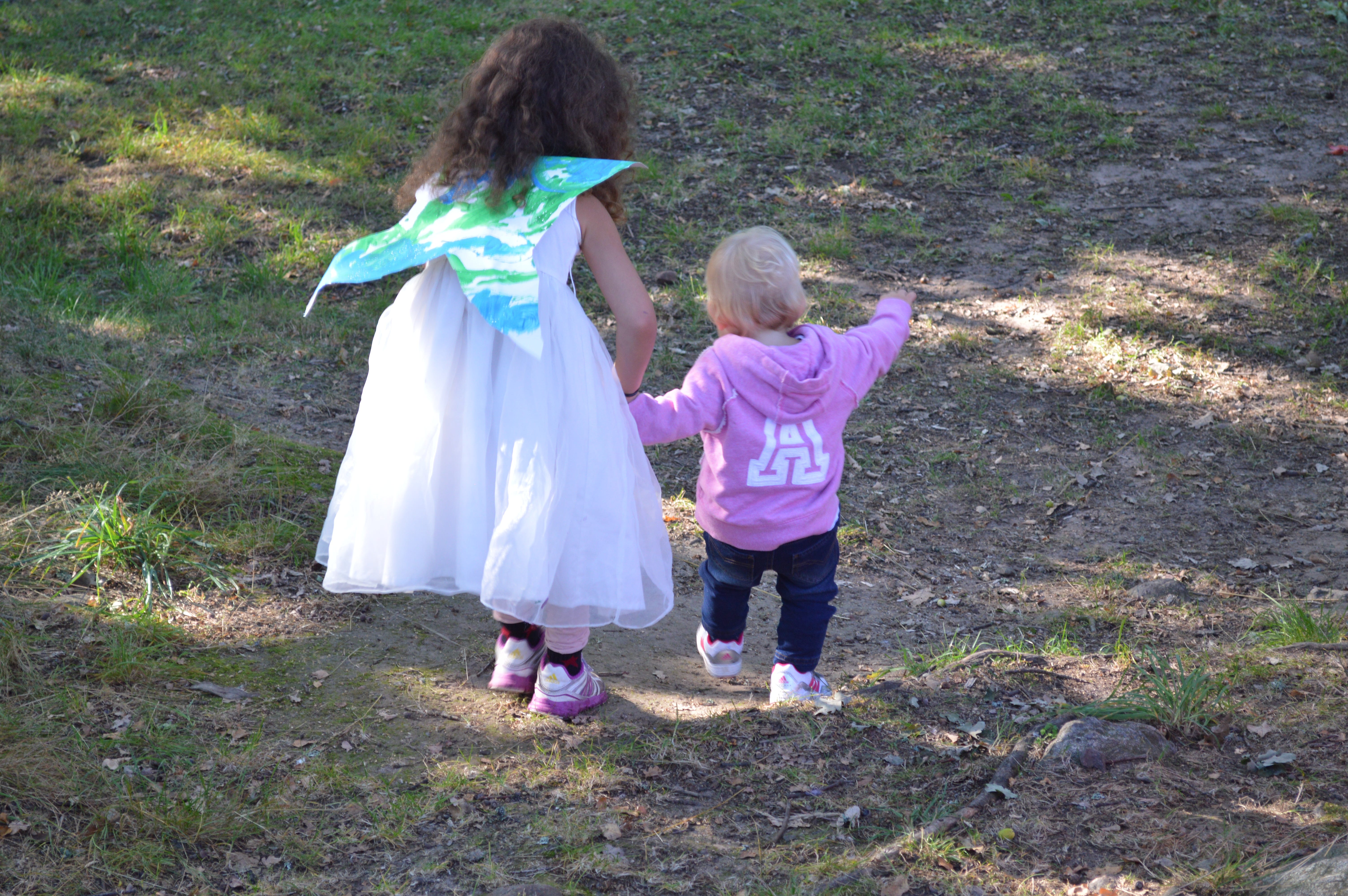
Mutual Generosity

Around the world there are celebrations happening - for example, Ramadan, and the year of the Horse has just begun. I thought I would write a post connecting my recent posts about care, discipline, kindness, love, autonomy and these two celebrations.
As Ramadan invites reflection, restraint, and deepened care, we are reminded that generosity is not merely about giving - it is something we become. In Islam, generosity grows through humility, discipline, and awareness of our interdependence. It is an inner expansion before it is an outward act. And I think this is something important to reflect on.
Original Learning begins from this same trust in what is already within that can evolve through reflection and unhurriedness. It recognises that children are born with innate curiosity, kindness (of the anti-colonial kind), and relational intelligence. Generosity does not need to be extracted or rewarded - it flourishes when learners feel safe, seen, and respected.
Mutual generosity is not self-sacrifice. It is not compliance. It is not depletion. I think it is also important to reflect on the fear that generosity can be something that can be exploited, and therefore we must guard ourselves. If we are teaching for mutual generosity, we can all flourish. Of course this generosity that I am speaking of is not about giving gifts - it concerns listening, care, patience, time etc
Mutual generosity is the living rhythm of:
Giving without losing yourself.
Receiving without shame.
Sharing power without disappearing.
Holding boundaries with care.
As we move into the Year of the Horse - symbol of vitality, freedom, and relational strength - we are reminded that power and generosity are inseparable from autonomy. A horse cannot be forced into partnership; trust must be nurtured. When trust is present, movement becomes fluid, collective, and alive.
This is also the case in education. When children’s autonomy is honoured, their generosity runs freely. When belonging is secure, contribution is joyful. When power is shared, care circulates.
Ramadan slows the heart and deepens awareness.
The Year of the Horse calls us to move with integrity and shared strength.
Original Learning strives to protect and listen to all the stories and not just normative ones in order to learn and evolve.
To foster mutual generosity in the early years, we should, as educators, move beyond teaching “sharing” as compliance and instead cultivate the conditions where generosity arises naturally - from security, autonomy, and belonging.
Here are some core practices that can make this real:
Protect Autonomy - Generosity cannot grow where children feel controlled.
Avoid forced sharing.
Offer language: “Are you finished, or do you need more time?”
Teach consent around materials and space.
When children experience ownership, giving becomes a choice - and choice creates joy.
Model Reciprocal Relationships - Children learn generosity by living within it.
Ask for their help authentically not as a teaching tool.
Thank them specifically - so they can notice their own generosity and the generosity of others.
Let them see adults collaborate respectfully.
Mutual generosity is not adult-to-child charity; it is shared participation.
Slow the Pace - Rushed environments breed competition and scarcity.
Protect long periods of uninterrupted play.
Limit transitions as much as we can.
Create small-group experiences where listening is possible. Because we want to create environments where children feel competent - large groups are much harder to be a generous listener.
When time is unhurried, children begin to notice each other.
Teach Emotional Awareness - Help children recognise:
When they feel protective.
When they feel ready to give.
When they feel overwhelmed.
Simple reflection questions:
“Did that feel good to share?”
“Do you need a break?”
“What would help right now?”
Generosity that ignores feelings risks becoming resentment.
Honour Many Forms of Contribution - Not all generosity looks like giving a toy or sharing resources/materials. Children contribute through:
Comforting presence
Creative ideas
Problem-solving
Humour
Patience
Leadership
Name and value these equally.
Design for Collaboration, Not Competition
Use collaborative projects.
Create shared goals (building together, caring for plants, preparing snack).
Avoid reward charts that individualise success.
Generosity thrives in collective purpose.
Teach Boundaries as a Part of Kindness - Early years classrooms must normalise:
“I’m not ready.”
“You can have it when I’m done.”
“Stop.”
Boundaries protect integrity - and integrity makes generosity sustainable.
Create a Culture of Enough (lagom in Swedish) - Scarcity thinking (“There isn’t enough”) fuels hoarding (I call it being dragons - cause of the European myth of dragons hoarding treasure).
Provide adequate materials.
Rotate resources calmly.
Model trust instead of urgency.
When children feel there is enough - and that they are enough - generosity emerges.
The Deeper Work - Mutual generosity in the early years is not about moral lessons. It is about relational design. When children feel -
Safe
Unhurried
Respected
Powerful in maturity-appropriate ways (this is a whole dialogue in itself)
They do not need to be taught to be generous. They experience the pleasure of contributing to shared wellbeing. I think this connects to my recent love as a discipline post - it is our adult ability to self regulate and unlearn the unsafeness, rushed, disrespectful and disempowered feelings from our our childhood as the norm for raising children - and provide the safeness, unhurriedness, respect and empowerment that children need to be generous. Our discipline is a form of generosity that we can experience as joy, as well as the children.
And that pleasure - protected early - becomes the foundation for democratic, reciprocal communities later in life.